

Living with uncertainty
When standard tests fail to identify a child’s condition, genomic sequencing may be used. This in-depth approach involves analyzing a patient’s DNA to identify tiny defects that may explain their symptoms.
In 40% of cases, genomic sequencing leads to a diagnosis. For the remaining 60% of patients, what follows sometimes turns into a long search for answers, known as a “diagnostic odyssey.” Lasting an average of 5 to 7 years, this period of uncertainty can lead to feelings of helplessness and anxiety among parents—who don’t know what the future holds for their child’s health—as well as health care teams—who are unable to provide fully tailored treatment.
A priority health issue
Rare diseases affect fewer than 1 in 2,000 people, while ultra-rare diseases affect 1 in 50,000. While each individual disease may affect only a handful of children, collectively, their impact is significant. In Canada, 1 in 15 children is affected, making rare and ultra-rare diseases a major health issue for CHU Sainte‑Justine.
Joining forces to find answers
DECODE(u)R (Deploying Comprehensive Diagnostic Evaluations for Rare (and ultra rare) diseases) was launched to change the course of these children’s lives, thanks to the crucial financial support of the Azrieli Foundation.
The goal of this project is to refine diagnostic methods by leveraging existing and emerging technologies. In particular, thanks to the support of Power Corporation of Canada—which has been helping to advance translational genomics at Sainte‑Justine for many years—a sophisticated device used by the DECODE(u)R team can sequence longer sections of DNA in a single pass, which can reveal complex genetic variations that other devices are unable to detect.
These new technologies give us great hope that we will find answers for children who, in many cases, are seriously ill.
The project has grown significantly over the years: its team now consists of some 30 professionals who are united by their determination to change the landscape of rare diseases.
The power of a revolutionary idea
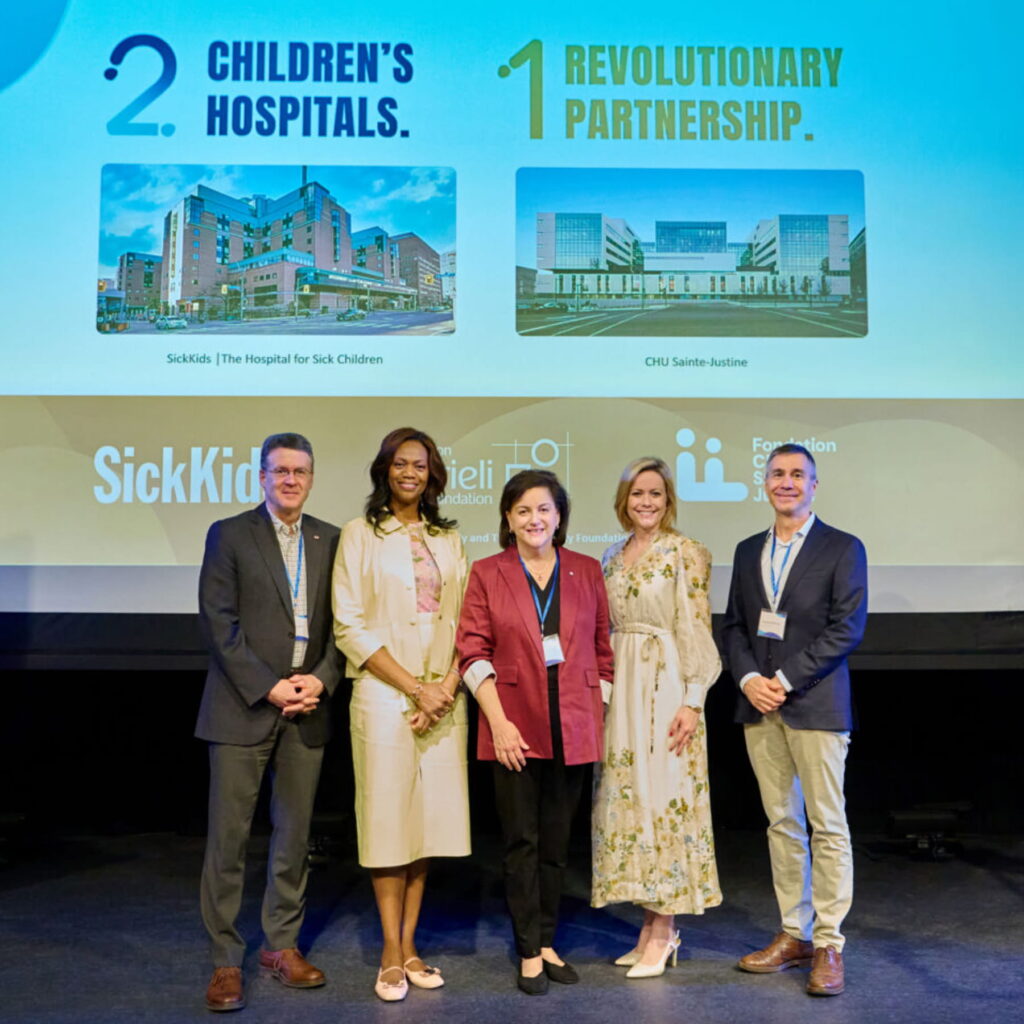
By combining the expertise of CHU Sainte‑Justine and The Hospital for Sick Children, as well as their world-class research centres, DECODE(u)R perfectly embodies the essence of the Precision Child Health Partnership (PCHP), which aims to elevate the care provided to children across the country. In fact, one of the three pillars of the PCHP is to optimize the use of genomics to enable earlier diagnoses and personalized treatment for every child.
Since the PCHP’s launch in 2023, made possible by the Azrieli Foundation’s transformational $50 million gift, the partnership has continued to build momentum. Thanks to a key contribution from the Pathy Family, along with the generous support of the Birks Family Foundation, among others, 21 projects have already received funding. These projects have led to scientific advances in epilepsy, congenital heart disease, pediatric cancers, the detection of potentially serious arrhythmias, and many other priority areas.
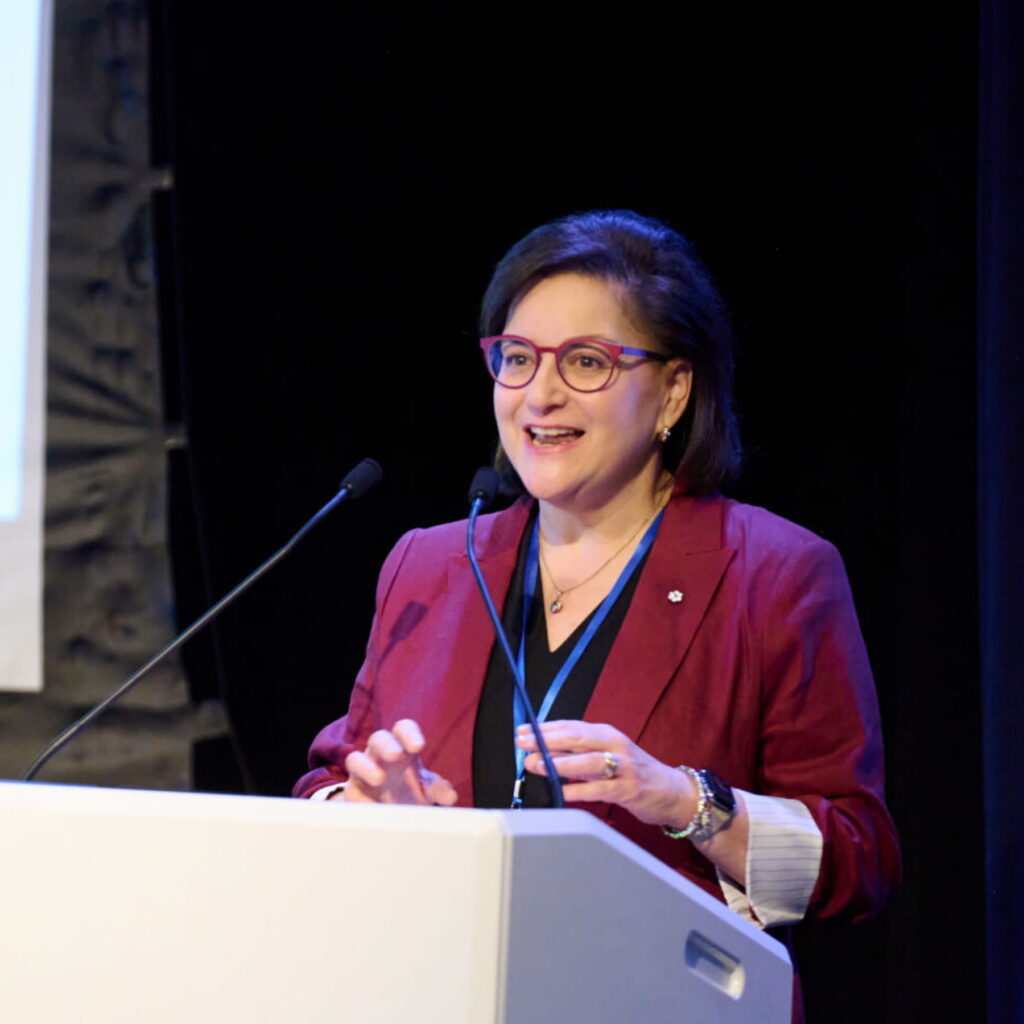
“This vital partnership that we are building together cannot succeed without philanthropy,” said Dr. Michaud at the 2nd PCHP Symposium, held at CHU Sainte‑Justine this spring. “Thank you for helping us redefine children’s health care and transform the lives of generations.”