A drug used to treat leukemia could prevent brain arteriovenous malformations (AVMs). This remarkable discovery made in Prof. Alexandre Dubrac’s laboratory brings hope for a new approach to treating a condition for which there are very few therapy options available.
AVMs: tiny knots that are as dangerous as they are rare
During a child’s development, the veins and arteries in their brain form a highly organized network that supplies it with oxygen and nutrients. However, a defect in this network appears in one out of every 10,000 people—the blood vessels dilate, twist and then fuse together. It’s what is referred to as a brain arteriovenous malformation, or AVM, and it resembles a tiny knot of blood vessels whose walls are extremely fragile.
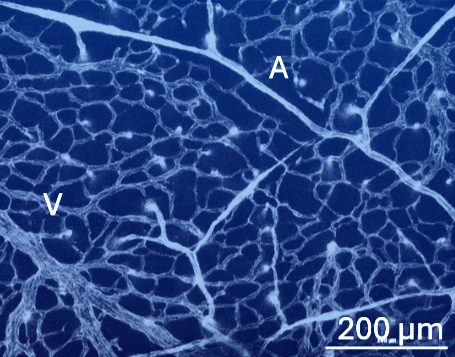
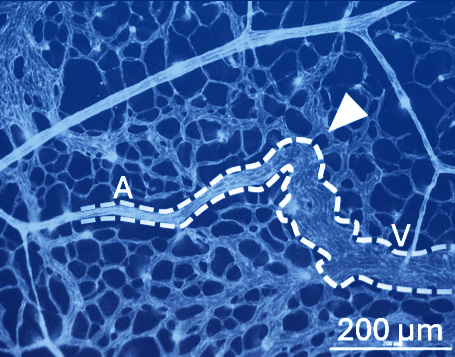
Very often, children are unaware of their condition until they begin to display troubling neurological symptoms like unusual headaches or epileptic seizures. If an AVM ruptures and bleeds, it puts the child’s life at risk.
Sadly, the available treatment options, such as artery embolization, radiation therapy and surgery, are extremely limited and aren’t suitable for all types of AVMs. What’s more, there’s no drug proven effective against AVMs—but that could change following a recent breakthrough made in Professor Dubrac’s lab.
The prime suspect: the KIT gene
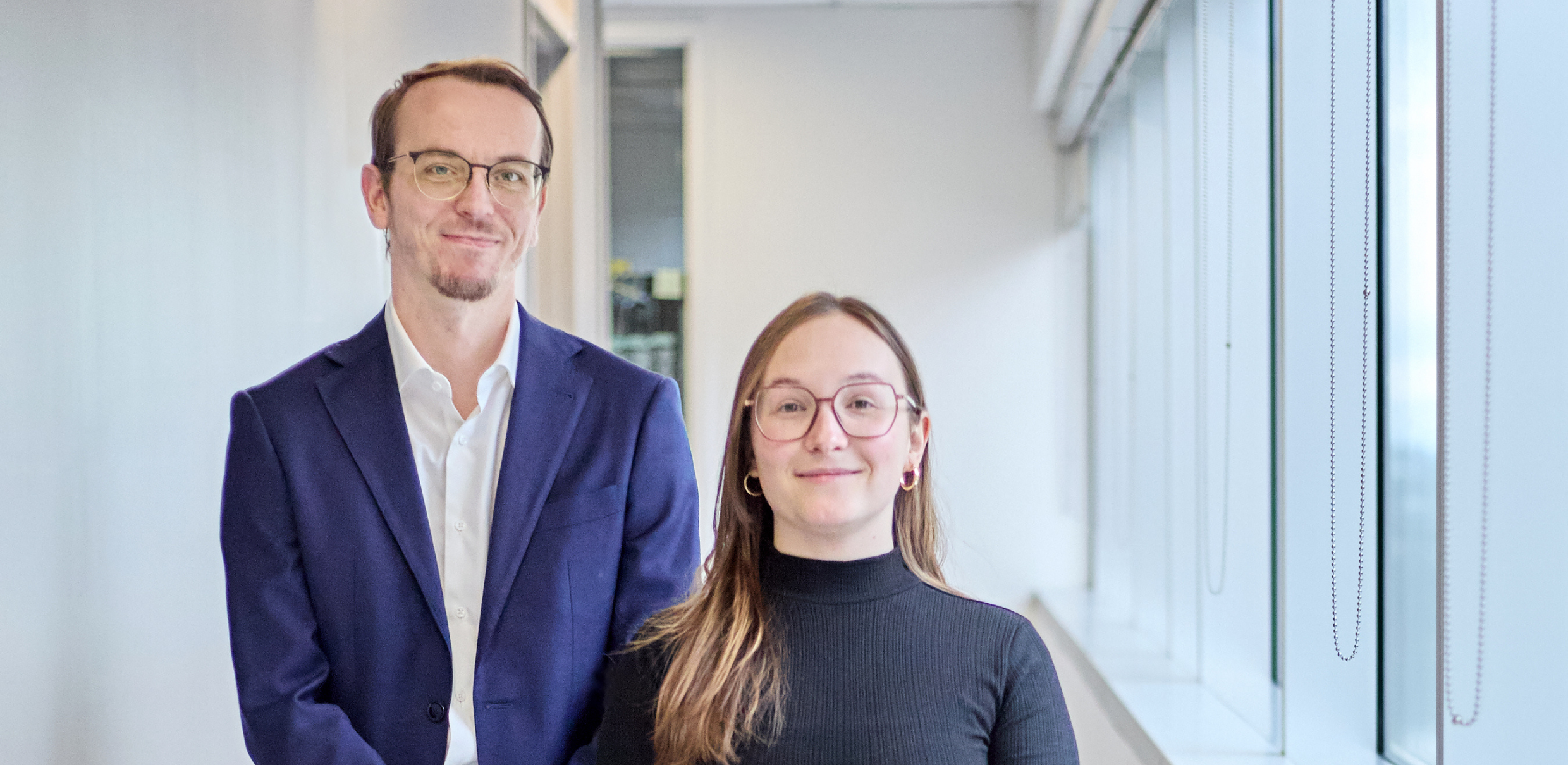
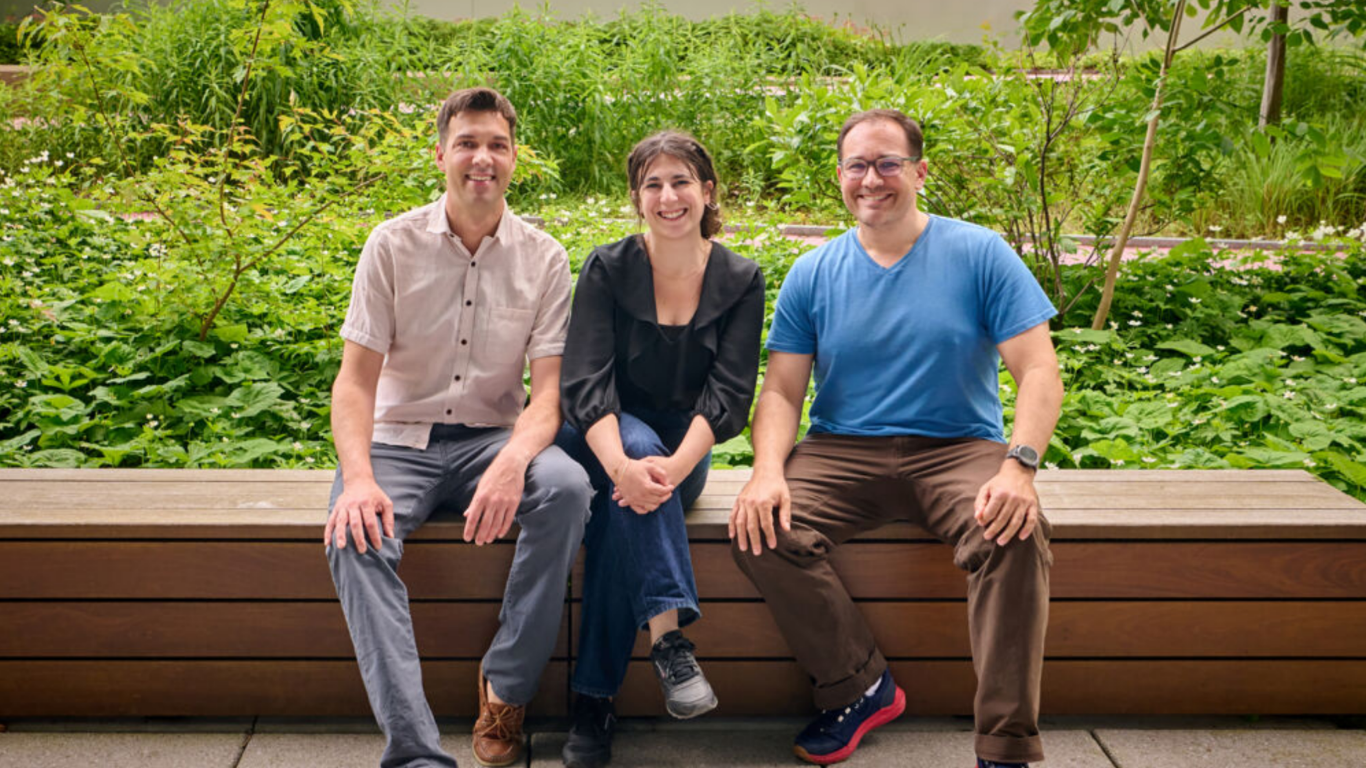
Élise Drapé’s experimental approach and Gael Cagnone’s bioinformatics analyses have led to several remarkable advances that shed light on the role of a specific gene in the development of AVMs. The gene, known as KIT, is already familiar to researchers and is the target of several drugs currently used to treat various types of leukemia.
Three approaches were then tested for their ability to block the KIT gene. All either reduced or prevented the appearance of AVMs. Other work is ongoing to determine if these approaches could also be effective when the condition is more advanced. “This discovery opens the door to the possibility of using treatments that are already known, rather than starting from scratch,” Élise explained.
We are bringing forward a concrete therapeutic proposal for patients who currently have no validated drug treatment options. The next step will be to better understand under which circumstances these approaches could be translated into clinical practice.

Behind the research: your generosity
It takes a village to care for a child, but it also takes one that’s just as vital in order to better understand and treat their illness. You’re part of that village.
In fact, your commitment to Sainte-Justine means all the elements essential to the emergence of new solutions for children are in place at the hospital’s research centre: highly dedicated teams, state-of-the-art equipment, and cutting-edge expertise.
Thank you for supporting teams like the one led by Professor Dubrac and for growing beyond with him for children’s health!