

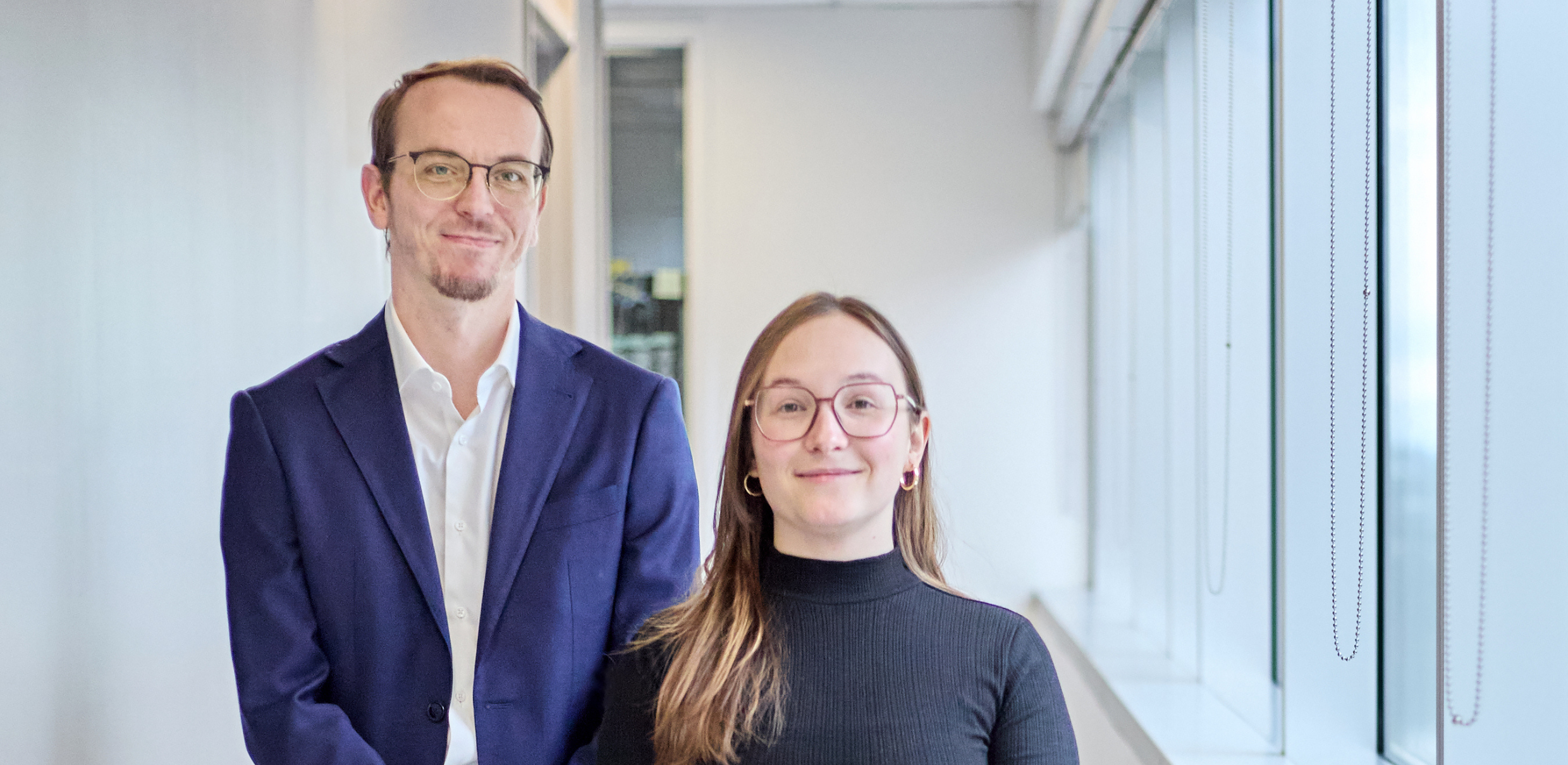
It can take up to 10 trials to find the right treatment for a child with drug-resistant epilepsy. With your support, researcher Anthony Flamier and Justine Gromaire, doctoral student in neuroscience, are developing an innovative way to identify an appropriate therapy faster. How? By using neurons created in the laboratory—along with a cutting-edge device acquired with the help of your donations.
There are roughly 40 anti-seizure medications to treat epilepsy. Since each child is unique—as is their disease—treating them effectively hinges on finding the right drug. And the sooner, the better. “We obviously can’t test every available medication on every child, explained Justine Gromaire. “Each new trial takes a lot out of them and can result in significant side effects.”
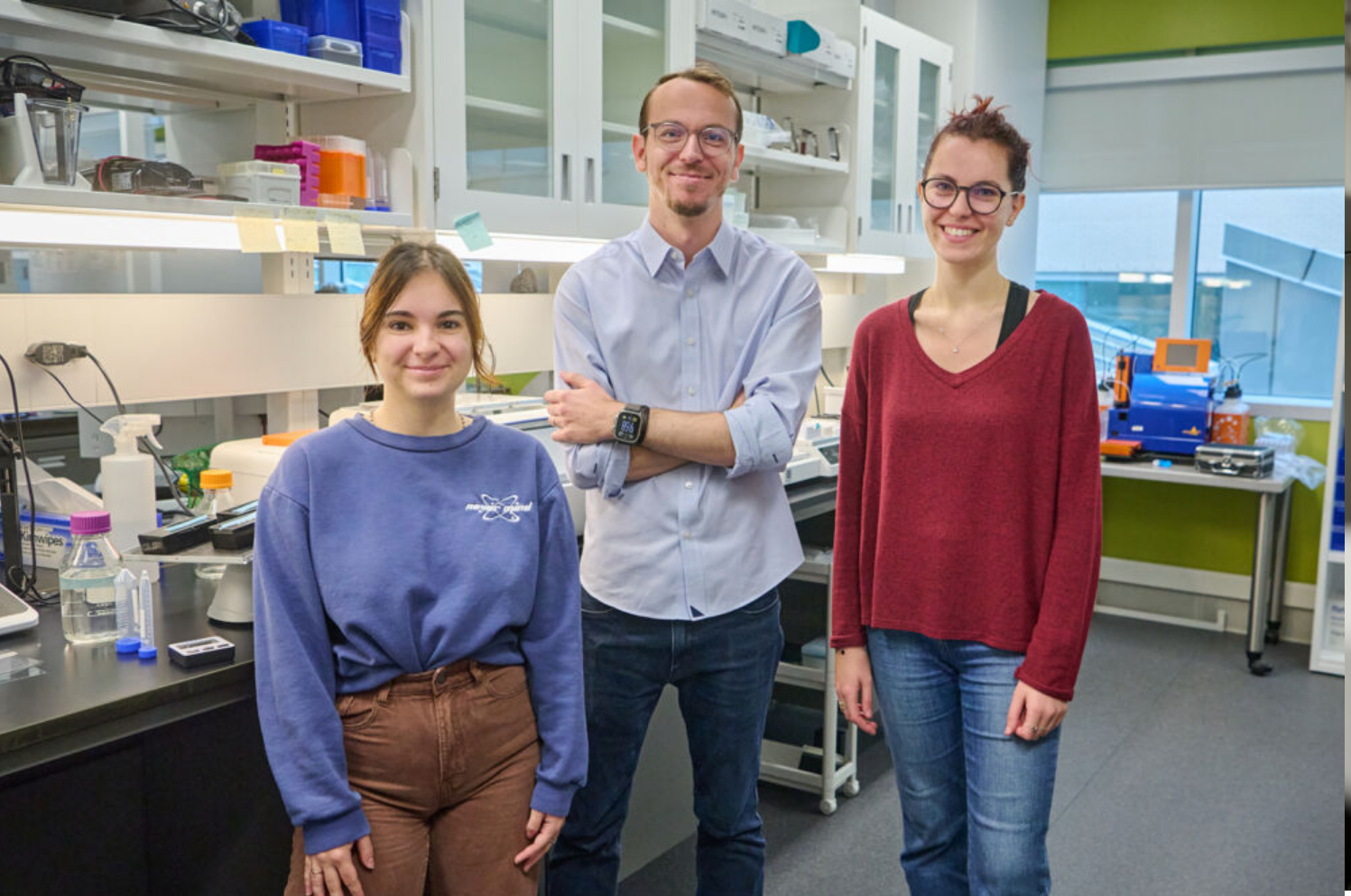
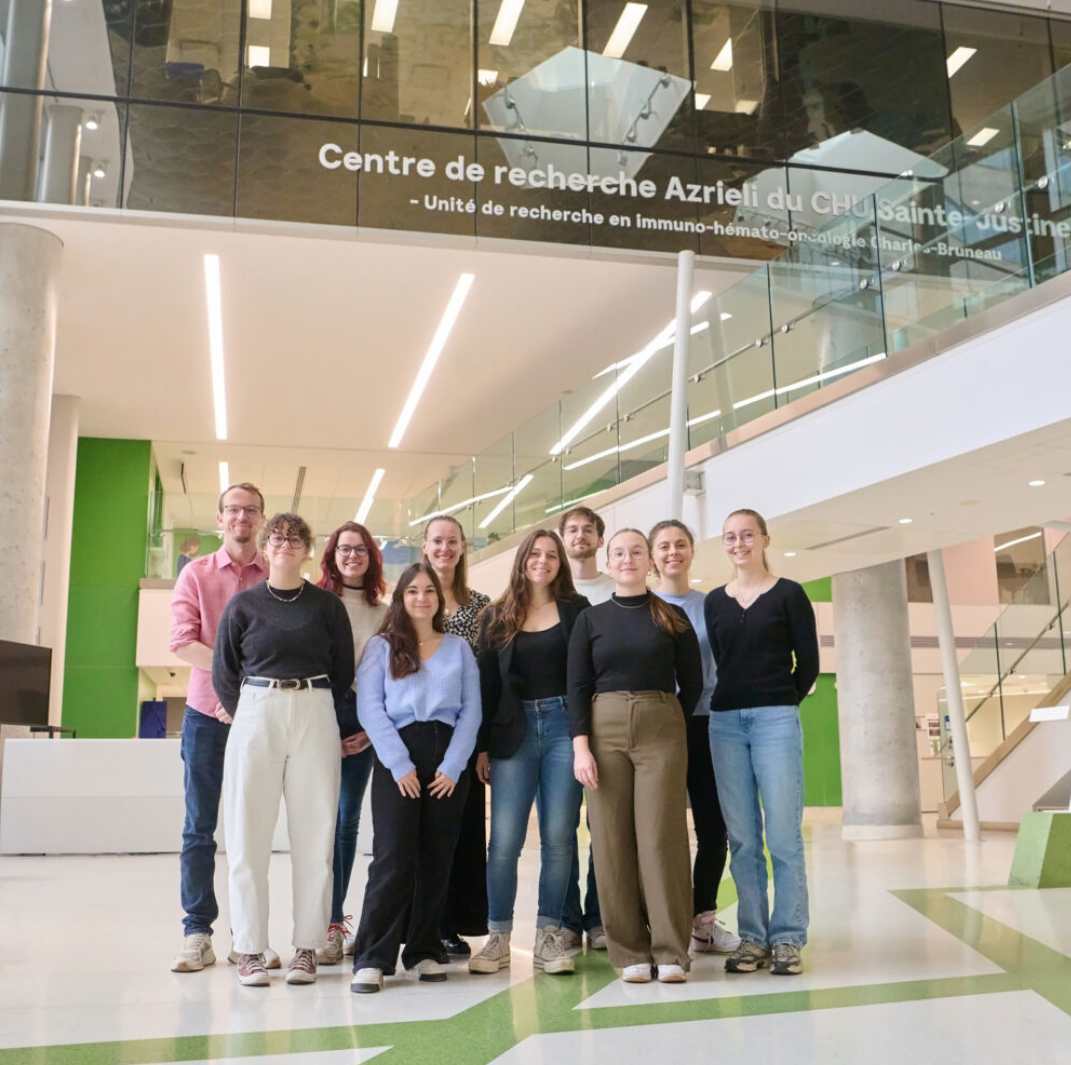
Under the supervision of Professor Flamier, researcher at the Centre de recherche Azrieli du CHU Sainte-Justine, her work focuses on developing a new way to quickly assess the efficacy of various treatments on pediatric epilepsy. The goal is to identify not only those that offer the best chances of treating the disease successfully, but also the least promising ones, so as to prevent children from taking medications unnecessarily.
Making a carbon copy of a child’s epilepsy
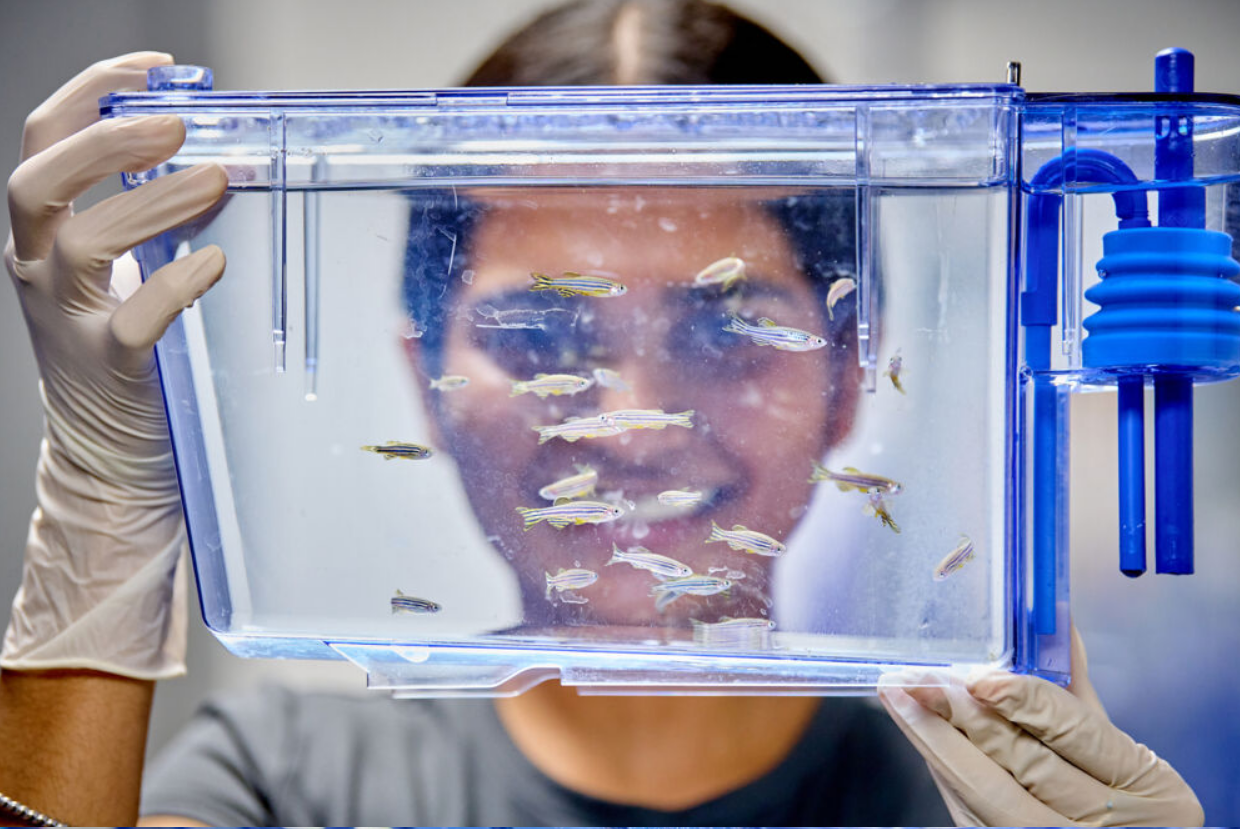
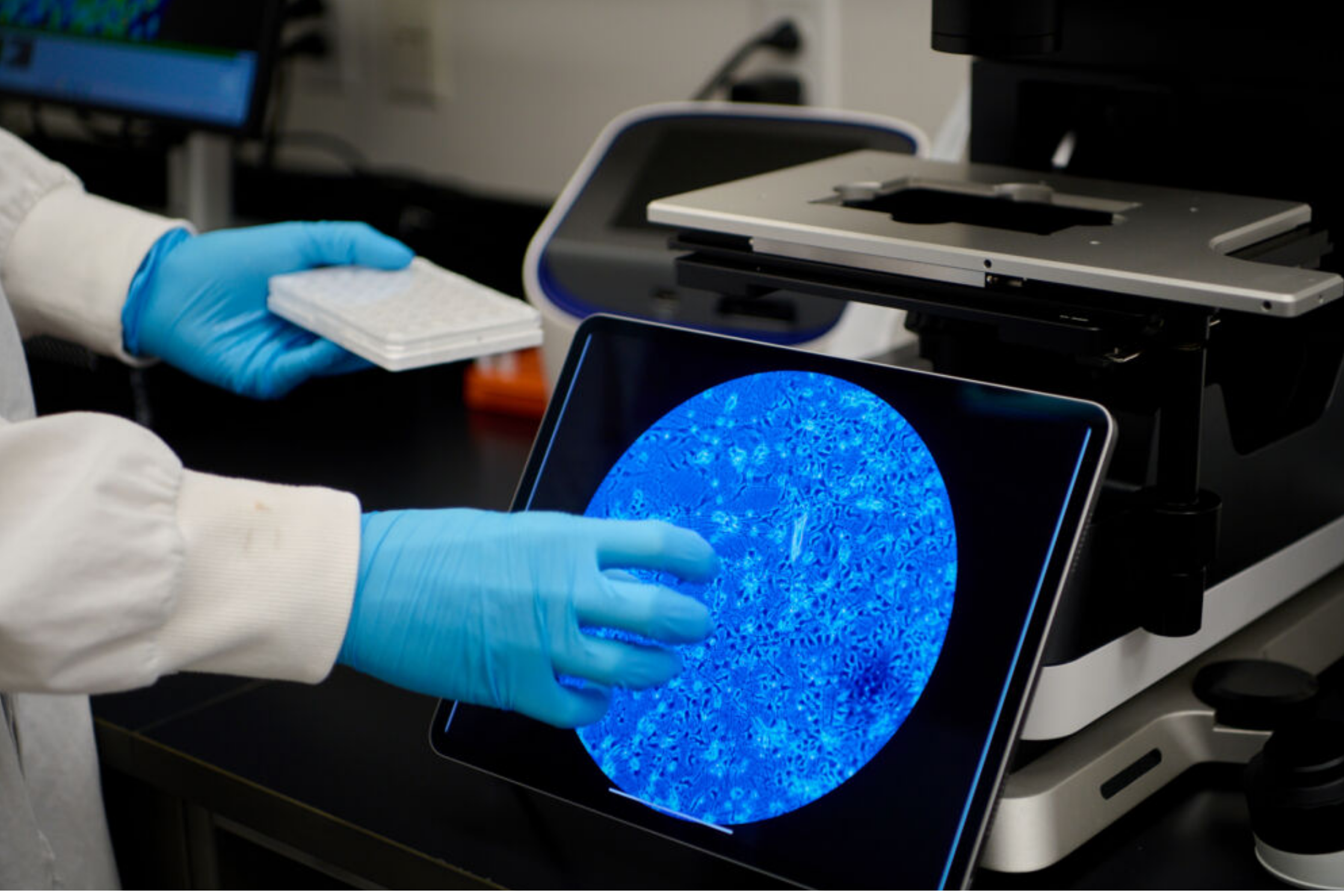
It all starts with a skin or blood sample taken from a child with the disorder. Leading‑edge technologies are used to transform the sampled cells into neurons while preserving the child’s DNA (the genetic material that makes them unique). The neurons are then grown in the laboratory. The result: small groups of neurons, or “neural circuits,” that faithfully reproduce the child’s epilepsy—allowing treatments to be tested outside his brain.
“It could avoid months or years of trying different treatments.”
Humanizing care and saving lives
Epilepsy affects 30,000 children in Quebec. One third of them have refractory epilepsy, meaning that the disease is resistant to medication and other options need to be explored.
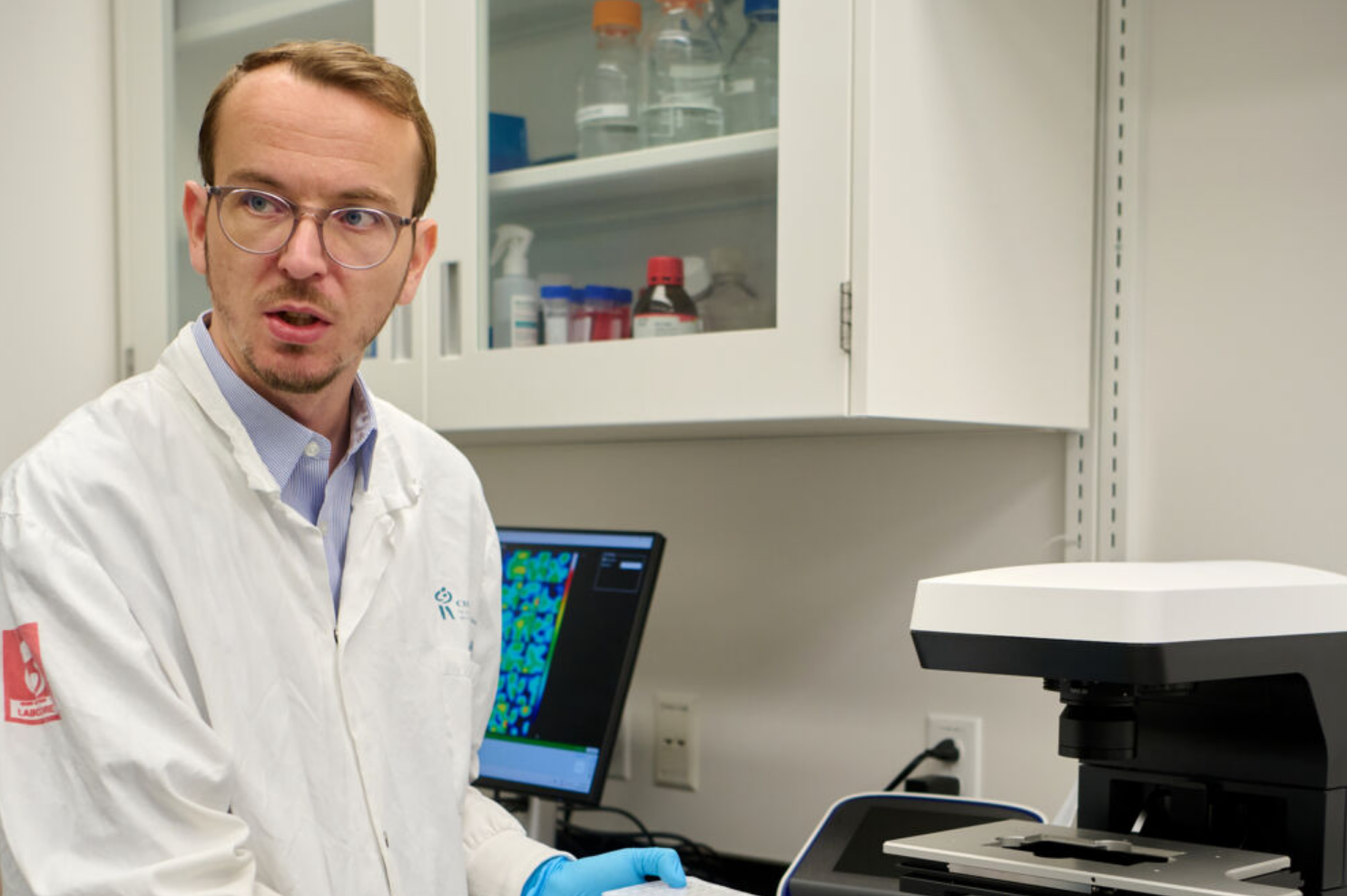
Every week at Sainte-Justine, two children undergo brain surgery to eliminate or reduce their epileptic seizures. “Some children aren’t eligible for surgery, while others fail to find an effective treatment before the worst happens,” noted Professor Flamier. “Yet, there might be a drug on the market that’s right for them and ready for the taking. I honestly believe that what we’re doing could save lives.”


Your donations at work
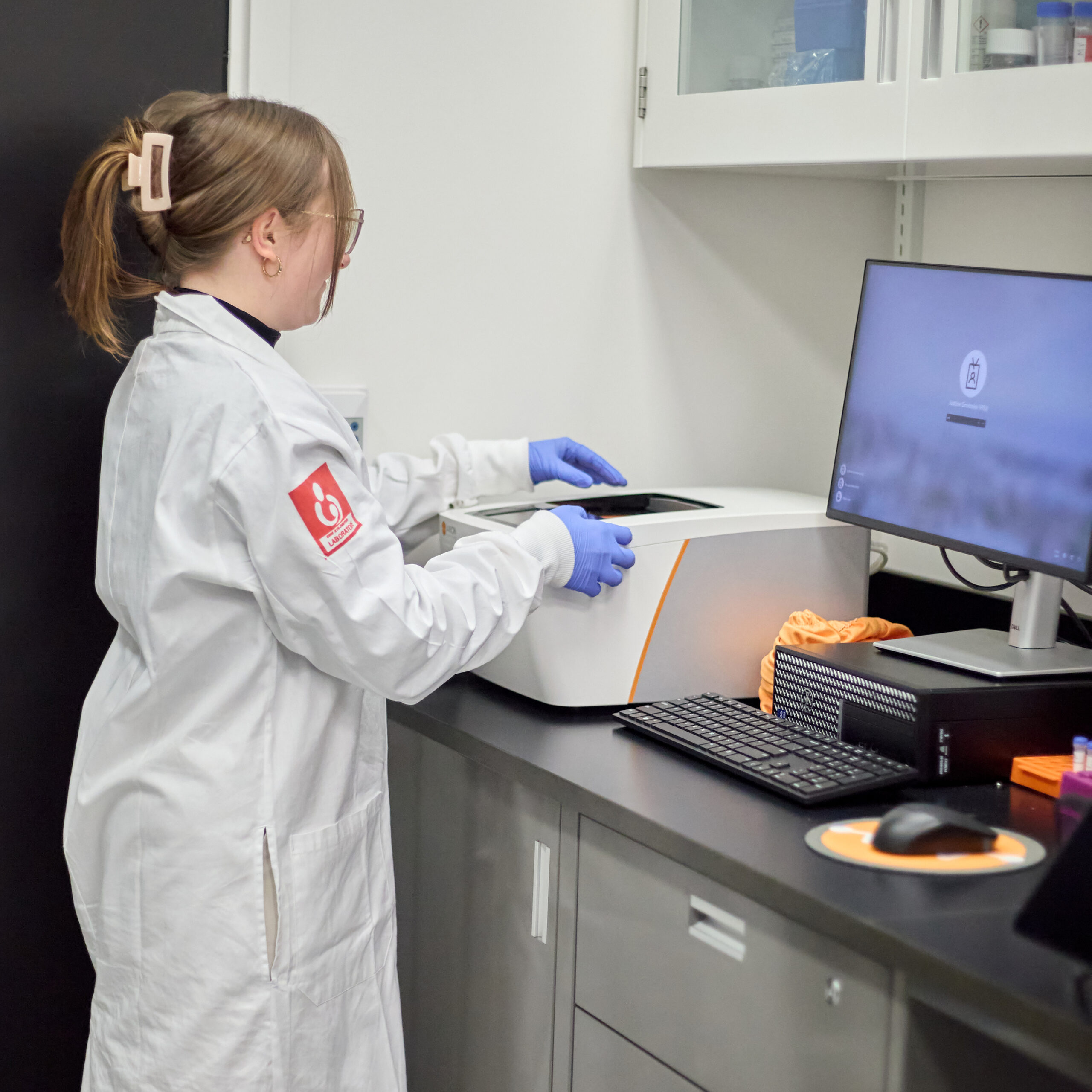
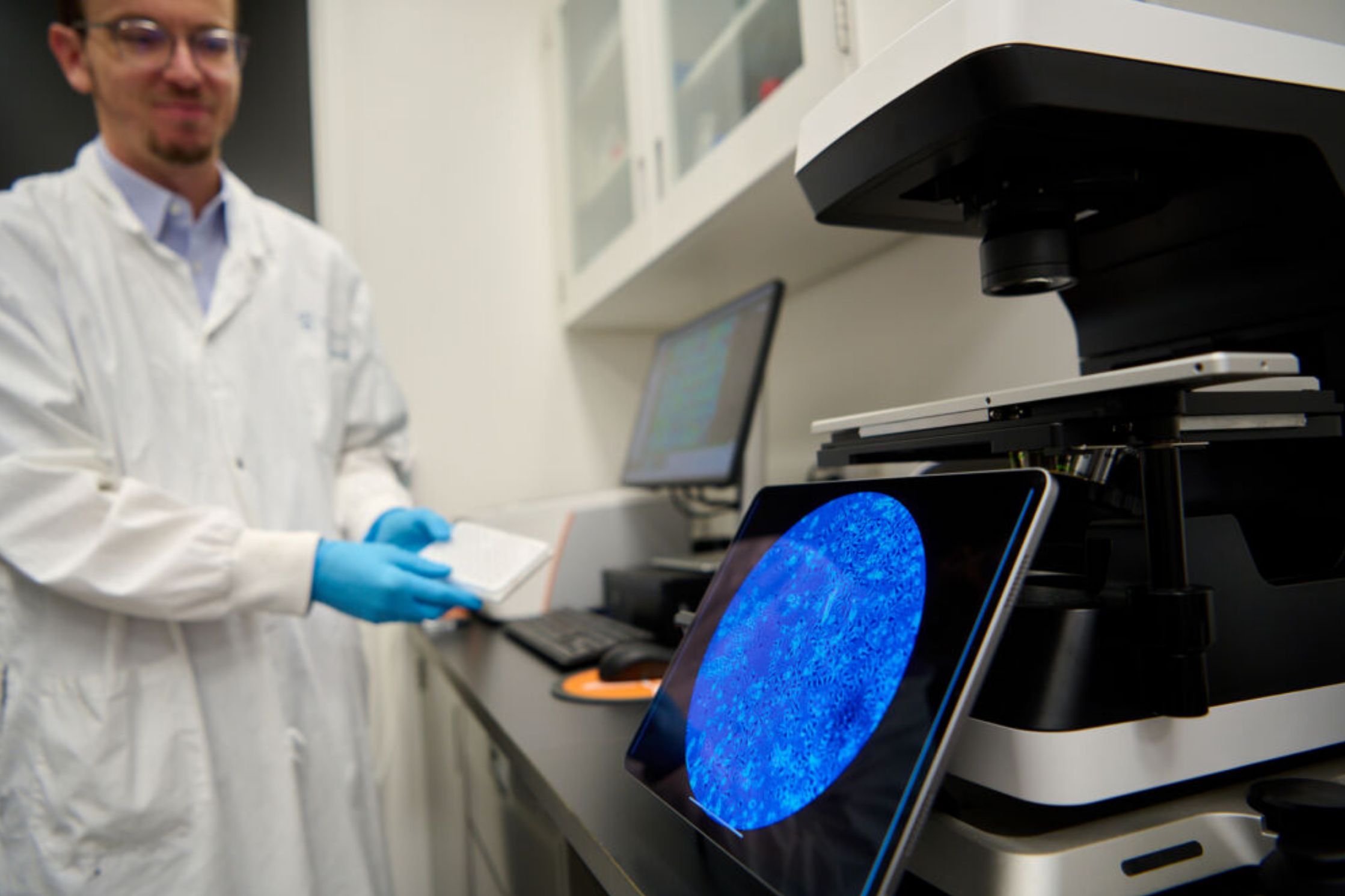
Your generosity plays a vital role in advancing care by providing laboratories like Professor Flamier’s with the equipment and resources that make innovation possible. Last year, your donations helped unlock the funding necessary to acquire a state-of-the-art device that’s essential to Justine Gromaire’s work and other research being conducted at the laboratory, including on Rett syndrome.
This rare disorder, which causes severe disability and occurs almost exclusively in girls, has no cure. Using the device that was acquired with donor support, students Margaux Brin and Marion Guillon test a wide range of possible treatments for Rett syndrome on “mini brains” manufactured in the laboratory.
Because you support research, a healthier tomorrow is within reach for families affected by illness.
“We really couldn’t do such work without this machine. Thank you on behalf of the whole team!”